
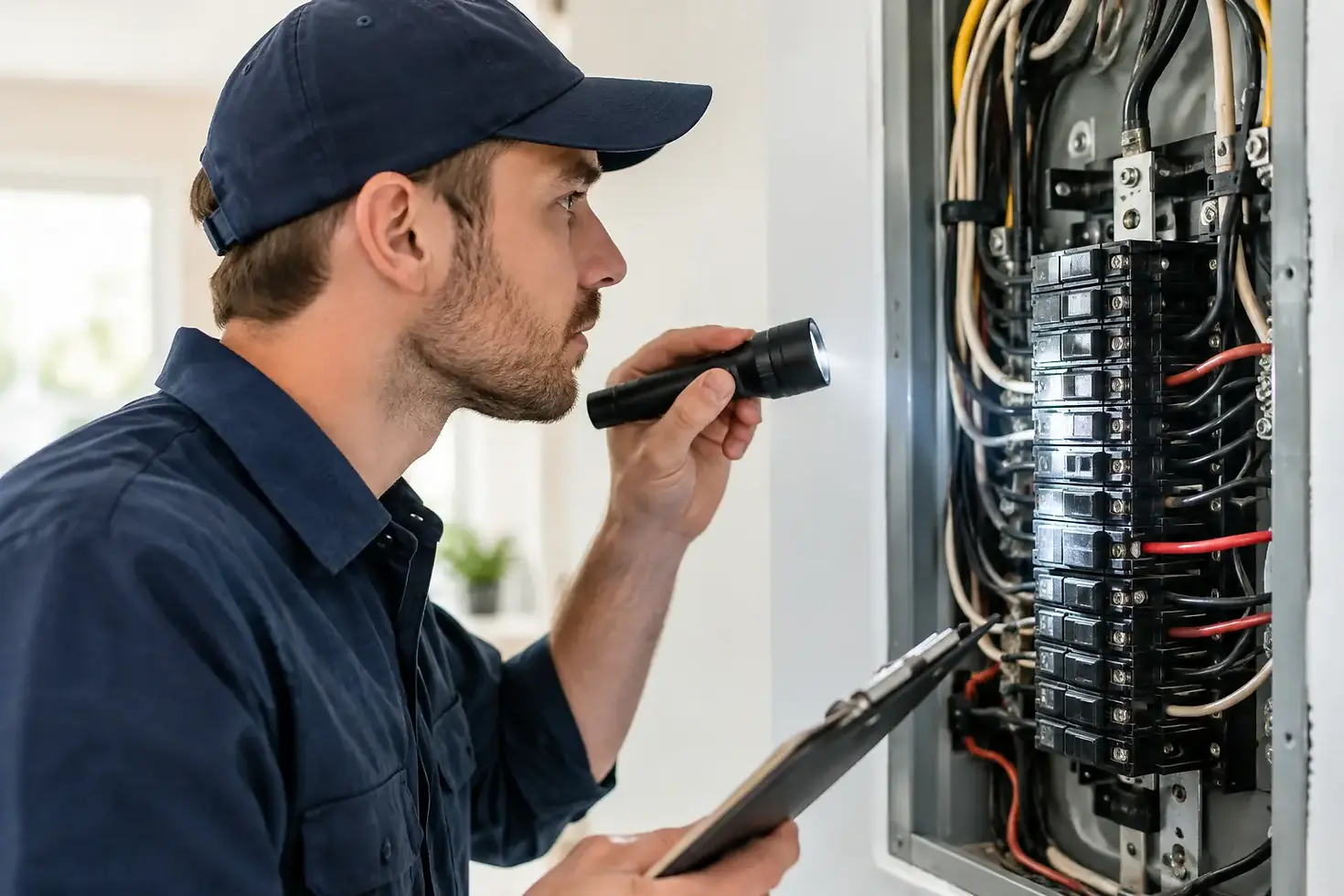
Can Old Wiring Fail Inspection? What to Expect
A home can look well cared for and still have electrical problems behind the walls. So, can old wiring fail inspection? Yes. Age alone does not automatically cause a failure, but older electrical systems often lack the safety features, capacity, or condition expected during a home sale, renovation, or permit inspection.
For New Jersey homeowners, the issue usually comes to light at an inconvenient time: when preparing to sell, opening walls for a remodel, adding a kitchen appliance, or applying for permits. Knowing what an inspector is likely to flag helps you plan the work instead of being surprised by it.
Can Old Wiring Fail Inspection?
Old wiring can fail an inspection when it creates a current safety hazard, does not meet the requirements for the work being permitted, or shows signs of deterioration or improper installation. An inspector is not looking for a reason to force every older home up to the newest code. Existing systems are often allowed to remain if they are safe and functional. The problem is that many aging systems are no longer in safe condition, have been altered over the years, or cannot support how a modern family uses the home.
A home inspection for a sale and a municipal electrical inspection are also different. A buyer's home inspector identifies visible concerns and recommends further evaluation or repairs. A municipal inspector checks permitted work for code compliance. Either can raise concerns about old wiring, but a renovation may require more upgrades than a simple sale inspection because new work must meet current requirements.
That distinction matters. Replacing a light fixture may involve a small correction. Renovating a kitchen, adding a bathroom, or finishing a basement can expose a larger issue: the existing service, panel, wiring, or grounding may not be adequate for the project.
What Inspectors Commonly Find in Older Homes
Many North Jersey homes have electrical systems installed long before central air, induction ranges, home offices, large televisions, and multiple chargers became normal. The wiring may have worked for decades, yet its condition and capacity deserve a close look.
Knob-and-tube wiring
Knob-and-tube wiring is common in homes built before the 1940s. It uses separate conductors supported by ceramic knobs and tubes, rather than modern cable with a grounding conductor. It can become a concern when insulation has been added around it, when sections have been damaged or spliced incorrectly, or when it serves areas with a heavy electrical load.
It is not automatically unsafe solely because of its age, but it is often a red flag for buyers, insurers, and inspectors. Repairing isolated issues may be possible in limited situations. In other homes, replacement is the more practical long-term decision, especially before a major renovation closes the walls again.
Aluminum branch-circuit wiring
Some houses built or updated in the 1960s and 1970s have aluminum branch-circuit wiring. The concern is not simply the metal itself. Aluminum expands and contracts differently than copper and can loosen at connections if it was not installed and maintained with approved methods. Loose connections can overheat.
An electrician can evaluate the wiring and connections to determine whether a targeted repair method is appropriate or whether rewiring is the better answer. The right choice depends on the wiring's condition, the scope of planned work, and whether the panel and devices are compatible with the system.
Ungrounded outlets and two-prong receptacles
Two-prong outlets often signal that a home does not have equipment grounding at those locations. A three-prong receptacle installed without a true grounding path is a more serious concern because it can give a false impression of protection.
Grounding helps reduce shock risk and allows modern surge protection and sensitive electronics to work as intended. In some cases, a properly installed GFCI device can provide a permitted safety solution where a ground is unavailable. That does not make it the same as a grounded circuit, and it must be correctly labeled and installed.
Overloaded panels, fuses, and unsafe alterations
An older fuse box is not necessarily a failed system, but it may be too small for the home's current demand or may have been modified improperly. Inspectors also watch for double-tapped breakers where not permitted, oversized fuses or breakers, missing panel covers, corrosion, damaged conductors, and crowded panels with no room for needed circuits.
Do-it-yourself repairs can create trouble as well. Open junction boxes, splices hidden behind walls, extension cords used as permanent wiring, reversed polarity, and unprotected cables are common findings. These are not cosmetic details. They can create shock, overheating, or fire hazards.
Signs You Should Have the Wiring Checked Before Inspection
You do not need to wait for a buyer or inspector to point out a problem. Flickering lights, warm outlets or switches, frequently tripped breakers, buzzing at the panel, a burning odor, or outlets that stop working are reasons to call a qualified electrician promptly.
Other clues are less dramatic. If the house has only a few outlets per room, if power drops when a microwave or space heater runs, or if you rely on power strips and extension cords throughout the home, the system may be undersized for daily use. A planned kitchen remodel or home addition is also a good time for an electrical assessment. Access is easier while walls and ceilings are open, and correcting the system early can prevent costly rework later.
What Usually Needs to Be Repaired or Upgraded
The repair should match the actual condition of the home. There is no honest one-size-fits-all electrical upgrade. A loose connection in an accessible box may be a straightforward repair. Widespread brittle insulation, active knob-and-tube circuits, or an overloaded service can require a larger project.
Common solutions include replacing damaged wiring, adding dedicated circuits for kitchen and laundry equipment, installing GFCI and AFCI protection where required, correcting grounding issues, repairing unsafe connections, and replacing an outdated panel. Some homes also need a service upgrade to safely support additional load from a renovation, electric vehicle charging, central air, or modern appliances.
The trade-off is budget versus timing. A homeowner may prefer a small repair before listing the house, while a buyer may request a credit for future work. If you are remodeling, completing the upgrade while surfaces are open is often more economical and produces a cleaner result than patching into finished rooms later.
How to Prepare for a Sale or Renovation Inspection
Start with an electrician's evaluation rather than guessing from the age of the house. Ask for a clear explanation of what is unsafe now, what is recommended for reliability, and what work may be required if you move ahead with a renovation permit. That allows you to separate urgent corrections from improvements you can plan for.
Keep records of prior electrical work, permits, panel replacements, and service upgrades if you have them. Make sure the electrical panel is accessible, labeled as clearly as possible, and free of stored items. Do not cover suspected problems with fresh paint, new outlet covers, or temporary fixes. Inspectors and experienced buyers tend to notice when a repair has been hidden instead of properly completed.
If an inspection report identifies concerns, read the language carefully. “Recommend evaluation” is different from a confirmed hazardous defect, but both deserve attention. A licensed electrician can verify the condition, explain the available repair paths, and provide a scope of work that fits the property.
For homeowners in Livingston and West Orange, Soriano Home Improvement can coordinate practical electrical repairs and upgrades as part of a broader renovation plan. The goal is not to replace more than the home needs. It is to correct unsafe conditions, make the system dependable, and leave the work ready for the next stage of your project.
Old wiring does not have to derail a sale or renovation. Address it early, use qualified professionals, and make decisions based on the actual system in your walls, not assumptions about the year your house was built.


Comments